
Complete visitor guide to Sibu Island
Overview
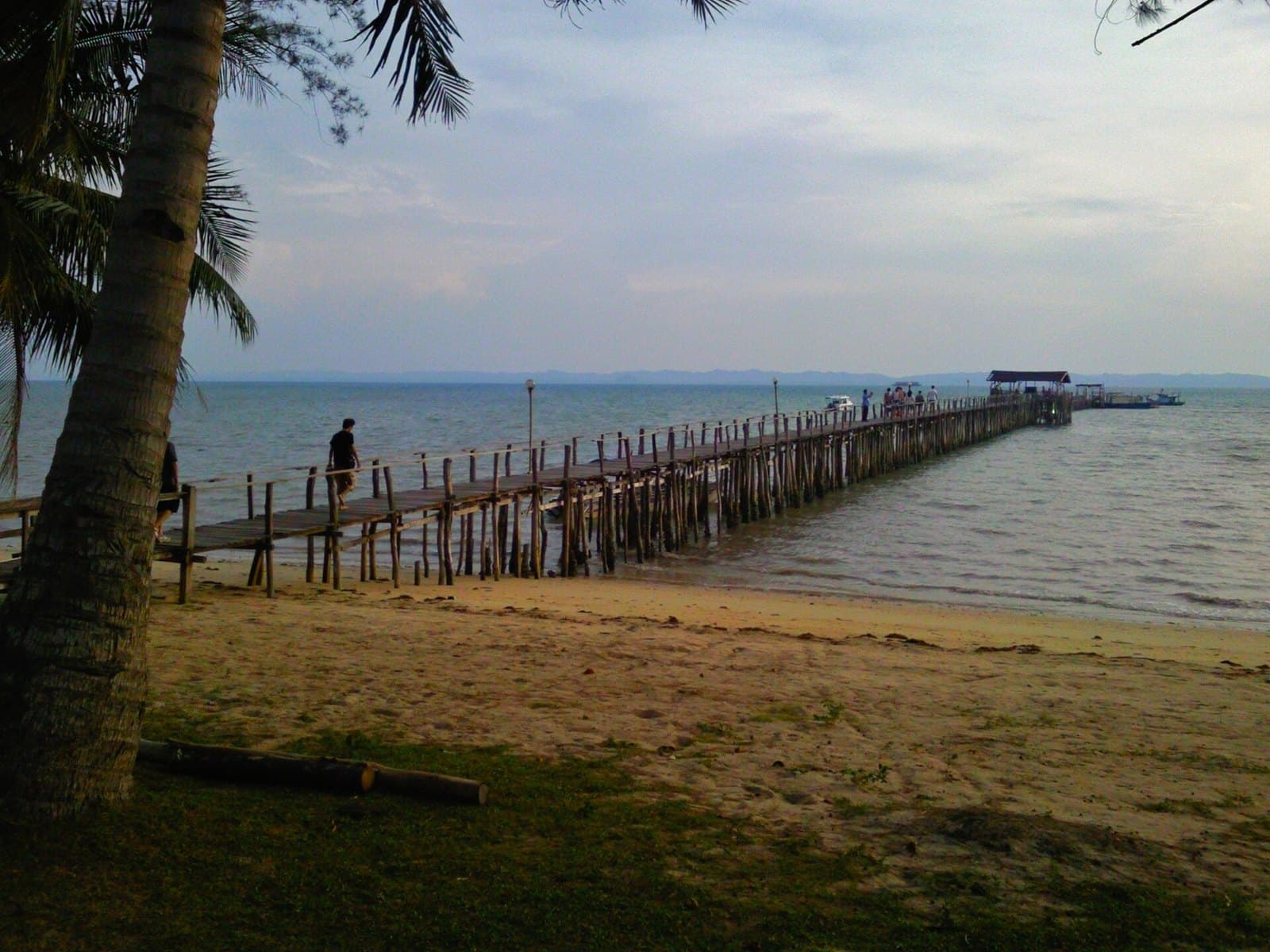
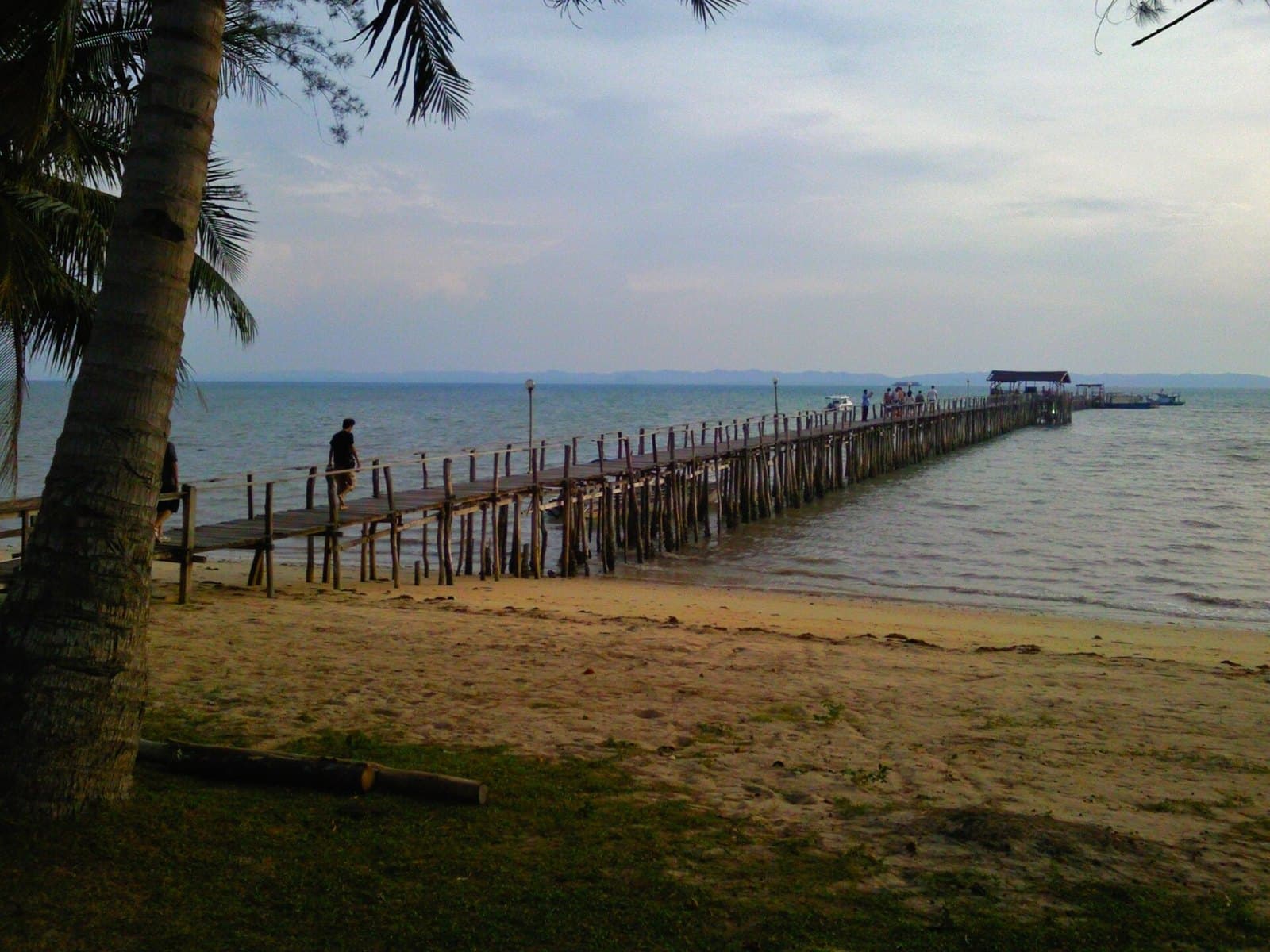
Sibu is a quiet Johor island group with simple beaches, tropical greenery and a low-key resort atmosphere. Located in Mersing, Johor, the destination can form the centre of a dedicated trip or a carefully chosen stop within a wider Malaysian itinerary. This guide is designed to help visitors decide whether it suits them, understand the pace of the experience and prepare for the practical details that are often missed in short promotional descriptions. Prices and operating schedules are intentionally not fixed here because they can change; the useful approach is to understand what must be checked and why.
What makes the experience special
Sibu Island should be approached as a marine destination rather than only a strip of sand. The quality of the day depends on sea conditions, the selected beach or jetty, and the behaviour of visitors around fragile coastal habitats. The most rewarding plan balances time in the water with unhurried periods on shore. Snorkelling, diving and boat trips are best arranged with operators who explain safety rules, provide suitable equipment and avoid anchoring on coral. Even confident swimmers should respect currents, boat lanes and local warnings. A quiet morning often feels very different from a busy midday stop, so the timing of transfers matters as much as the list of activities.
Main experiences and highlights
1. Slow down on uncrowded beaches
This experience helps visitors understand a different side of Sibu Island. Give it enough time to be enjoyable rather than treating it as a box to tick. Ask staff or a licensed local operator about the current sequence, safety conditions and any restriction that applies on the day. Good timing, patient observation and respect for other visitors usually matter more than expensive equipment.
2. Snorkel or kayak when sea conditions are suitable
This experience helps visitors understand a different side of Sibu Island. Give it enough time to be enjoyable rather than treating it as a box to tick. Ask staff or a licensed local operator about the current sequence, safety conditions and any restriction that applies on the day. Good timing, patient observation and respect for other visitors usually matter more than expensive equipment.
3. Spend time at a small island resort
This experience helps visitors understand a different side of Sibu Island. Give it enough time to be enjoyable rather than treating it as a box to tick. Ask staff or a licensed local operator about the current sequence, safety conditions and any restriction that applies on the day. Good timing, patient observation and respect for other visitors usually matter more than expensive equipment.
Suggested way to organise the visit
Begin with slow down on uncrowded beaches while energy is high and conditions are usually calmer. Continue with snorkel or kayak when sea conditions are suitable, allowing enough time for transport, water and an unhurried break. Later, consider spend time at a small island resort rather than adding a distant stop merely to fill the schedule. Plan two to four nights. Transfers are generally coordinated from the Mersing area by accommodation providers. Keep one flexible period in the plan because rain, queues, tides, traffic or wildlife can change the order. If the destination requires a boat, guide, timed ticket or permit, treat that booking as the fixed point and build everything else around it.
Best time, climate and crowd levels
The east-coast marine season deserves special attention. Conditions are commonly more settled through much of the period from roughly March to September or October, while the northeast monsoon can bring rough seas, heavy rain and reduced boat or resort operations. Exact opening and sailing dates change each year, so never rely only on a general “best month” statement. Confirm the ferry, accommodation and activity operator for the actual travel date. Even in a favourable month, short storms and strong sun are normal tropical conditions.
Getting there and moving around
The verified map position places Sibu Island in Mersing, Johor. Save the exact name and coordinates before travelling because similar names can lead to the wrong island, town, trailhead, park office or resort. Plan two to four nights. Transfers are generally coordinated from the Mersing area by accommodation providers. For a remote or controlled-access destination, reconfirm the meeting point rather than assuming the map pin is the boat departure or registration counter. In urban areas, compare rail, ride-hailing and parking before choosing a car. For islands and parks, the final sector may use a specific jetty, authorised vehicle or registered guide.
Tickets, permits and budgeting
Build the budget from transport, admission, activity equipment, guide or boat charges, meals, lockers, parking and accommodation rather than looking only at the headline ticket. Foreign and Malaysian rates may differ at some protected or public attractions. Dynamic online offers can also differ from walk-in prices. Buy through the official attraction or a reputable authorised operator and read what is excluded. Never assume that a general park entry includes specialist caving, diving, summit access, animal programmes, fast lanes or equipment rental. Keep the confirmation available offline and use the exact passenger name required by the booking.
Accommodation and length of stay
A nearby overnight stay can transform an early activity from a stressful transfer into a comfortable experience. It is particularly useful when the destination depends on sunrise, a first boat, an early trail registration or evening wildlife. City landmarks may need only a half-day, while islands, remote parks and multi-stage hikes justify more time. Choose accommodation by transfer convenience and realistic meal options, not star rating alone. Read recent details about stairs, road access, jetty transfer and reception hours. When a package includes transport or meals, ask for the precise meeting location and what happens if weather changes the schedule.
Food, water and comfort
Do not assume that every attraction has a full restaurant or that all food suits dietary or religious needs. Ask about halal availability, vegetarian choices, allergies and included meals before remote trips. Carry enough drinking water for the conditions, especially on trails and exposed islands, while respecting rules that prohibit food near animals or inside worship areas. A small towel, tissues and personal hygiene items can make basic facilities easier. Take regular shade breaks in the lowlands and keep a light layer for air-conditioned transport or cool highlands. Comfort planning helps the group stay patient and make better safety decisions.
What to pack
Pack sun protection, a dry bag and some cash for smaller operators. Use reef-safe habits: never stand on coral, take no shells and keep a respectful distance from marine life. Add identification, booking proof, a charged phone, power bank, reusable water, sun protection and a light rain layer. Footwear should match the surface: secure sandals for simple beach transfers, closed shoes for active attractions and grippy hiking footwear for roots, rock or mud. A dry pouch protects documents and electronics near boats and sudden rain. Bring personal medicine and basic blister or insect-bite care when relevant. Avoid carrying unnecessary valuables. If equipment such as a life jacket, helmet, snorkel set or harness is supplied, check its fit and condition before beginning rather than assuming one size works for everyone.
Safety and accessibility
Facilities are limited compared with major islands. Bring essentials and reconfirm meals, transfers and seasonal closure dates. Visitors with reduced mobility, pregnancy, heart or respiratory concerns, a recent injury or strong fear of water or heights should discuss the exact activity with a qualified provider. Accessibility can vary inside the same destination: the entrance may be easy while a cave, viewpoint, boat or upper trail is not. Do not hide a medical issue from a guide. Observe weather and closure instructions, use required protective equipment and never enter a restricted area for a photograph. Children require active supervision near water, cliffs, crowds, animals and moving rides. Arrange a meeting point and keep emergency contacts available offline.
Responsible travel and local respect
The destination will remain attractive only if visitors reduce pressure on the environment and community. Take all waste away, refuse unnecessary single-use items and stay on durable or marked surfaces. Do not collect shells, plants, rocks or historic fragments. Never feed wild animals or use recorded calls to force a bird or mammal to appear. Ask permission before photographing residents, workers, ceremonies or private homes. Support local guides and small businesses when they operate responsibly. At religious or cultural sites, follow clothing and behaviour rules even when other tourists ignore them. Report safety or animal-welfare concerns to staff rather than confronting visitors in a way that creates further risk.
Photography without harming the experience
Early and late light is often softer, but safety and access rules come first. Keep walkways clear, avoid blocking worshippers or families and never step beyond a barrier for a cleaner composition. Turn off flash when requested and protect cameras from humidity, spray and rapid temperature changes. A phone can be more practical than heavy equipment on boats or climbs. Drones require separate confirmation and may be prohibited because of wildlife, airports, private land or crowds. Save a few minutes to observe without a screen; the most memorable understanding of Sibu Island may come from sound, scale, weather and movement rather than a posed photograph.
Who will enjoy Sibu Island?
The destination is especially suitable for quiet getaways and travellers who prefer small resorts. It may be less suitable for travellers who need guaranteed weather, completely step-free access, constant mobile coverage or a tightly controlled schedule. That does not automatically rule out the trip; it means selecting the easiest activity, a suitable operator, nearby accommodation or a shorter visit. Couples can protect quiet time by starting early. Families benefit from predictable meals and rest. Solo travellers should share the plan and use established transport. Groups should agree on pace and priorities before arrival so one person’s wish to rush does not reduce safety or enjoyment for everyone.
Frequently asked questions
How much time should I allow?
Plan two to four nights. Transfers are generally coordinated from the Mersing area by accommodation providers. Add transfer and waiting time rather than counting only the activity itself. A relaxed schedule is normally more successful than placing another distant attraction immediately afterward.
Is Sibu Island suitable for a first visit to Malaysia?
It can be, especially for travellers interested in quiet getaways and travellers who prefer small resorts. The key is matching the destination to the group’s mobility, budget and tolerance for heat, water, heights, crowds or simple facilities.
Must I book in advance?
Advance booking is strongly recommended whenever the visit depends on a permit, guide, boat, timed entry, limited accommodation or school-holiday date. For open public areas, confirming access on the same day is still sensible.
Can I visit with children or older relatives?
That depends on the exact activity rather than the destination name alone. Check walking distance, steps, boat boarding, ride restrictions, toilets, shade and emergency access. Choose a shorter version of the experience when needed.
What happens if it rains?
Light tropical rain can often be managed with a flexible order and proper clothing. Stop immediately for lightning, unsafe water, flooding, strong wind or an official closure. Never pressure a guide or operator to continue.
Is food easily available?
Major attractions commonly have food nearby, while remote islands, trails and villages may offer limited choices or fixed meal arrangements. Carry an appropriate snack and water, but follow rules about food around wildlife and places of worship.
Can I rely on card payment and mobile data?
Do not rely on either completely. Carry some cash, save confirmations offline and download the map. Connectivity can fail exactly when a boat, rural transfer or small vendor needs to be contacted.
What is the most important rule?
Facilities are limited compared with major islands. Bring essentials and reconfirm meals, transfers and seasonal closure dates. Treat this as a practical requirement, not a minor suggestion, because it reflects the conditions most likely to affect safety or the quality of the visit.
Detailed planning checklist
- Save the destination name and coordinates offline before departure. Mobile coverage may weaken on islands, in forests, between mountains or inside large buildings, and a screenshot can prevent confusion with another Malaysian place carrying a similar name.
- Confirm the final return option, not only the outward journey. Ferry seats, last boats, park transfers and rural ride-hailing availability can be limited later in the day, especially outside weekends or peak periods.
- Carry a small amount of cash even when advance tickets are paid online. Parking, village food, small boats, lockers or local services may not accept foreign cards or may lose connectivity temporarily.
- Keep identification and booking confirmation protected from rain. A digital copy helps, but some permit, accommodation or transport counters may still need the passenger name and document details to match the reservation.
- Use a reusable water bottle where refilling is permitted, but never reduce the amount of water needed for safety. In remote areas, personal preparation is more important than avoiding one additional bottle.
- Plan clothing for the activity rather than only for photographs. Breathable fabric suits lowland heat, a modest layer helps at religious sites, secure footwear matters on trails, and quick-dry clothing is useful around boats and waterparks.
- Protect the middle of the day for rest when possible. This reduces heat stress, improves the experience for children and older travellers, and leaves more energy for the softer light and cooler air of late afternoon.
- Download the operator or attraction’s latest rules before leaving the hotel. Height restrictions, prohibited items, park registration, trail permits and boat check-in times can change independently of general travel guides.
- Do not place essential medicine, travel documents or the only phone in an unprotected beach bag. Use a dry pouch or sealed inner bag and keep a second copy of important information with another adult when travelling as a group.
- If food is important to the trip, identify two choices rather than one famous restaurant. Closing days, queues and sold-out dishes are common, while a nearby alternative often provides a more relaxed local meal.
- Ask before using a drone. Protected areas, airports, private resorts, wildlife sites, religious grounds and crowded attractions may prohibit or restrict flying even when the landscape appears open.
- Build extra travel time around Malaysian public holidays and school breaks. A distance that looks short on the map may take much longer when hill roads, ferry check-in, city traffic or limited parking are involved.
- Check that travel insurance matches the activity. Ordinary cover may exclude scuba diving, high-altitude trekking, technical climbing, motorised water sports or evacuation from remote areas unless these are specifically included.
- For families, write a simple meeting plan that children understand. Choose a visible landmark, make sure they know the adult’s phone number and photograph what they are wearing at the start of a crowded day.
- Leave space on the return journey for wet clothes, sand or muddy shoes. A separate lightweight bag protects the rest of the luggage and makes transfers more comfortable after outdoor activities.
- Before leaving, make a final sweep for bottles, snack wrappers, tissues and small plastic items. The easiest form of responsible tourism is ensuring that nothing from the visit remains in the landscape.
Final recommendation
Sibu Island is most rewarding when the traveller combines curiosity with realistic preparation. Focus on the experiences that genuinely fit the group, verify the parts controlled by weather or capacity, and leave enough time to notice the place rather than simply record it. The practical priorities are clear: confirm access, save the map position, prepare for tropical conditions, respect local rules and keep the schedule flexible. With those foundations, the visit can become a meaningful part of a Malaysia trip rather than another rushed photo stop.